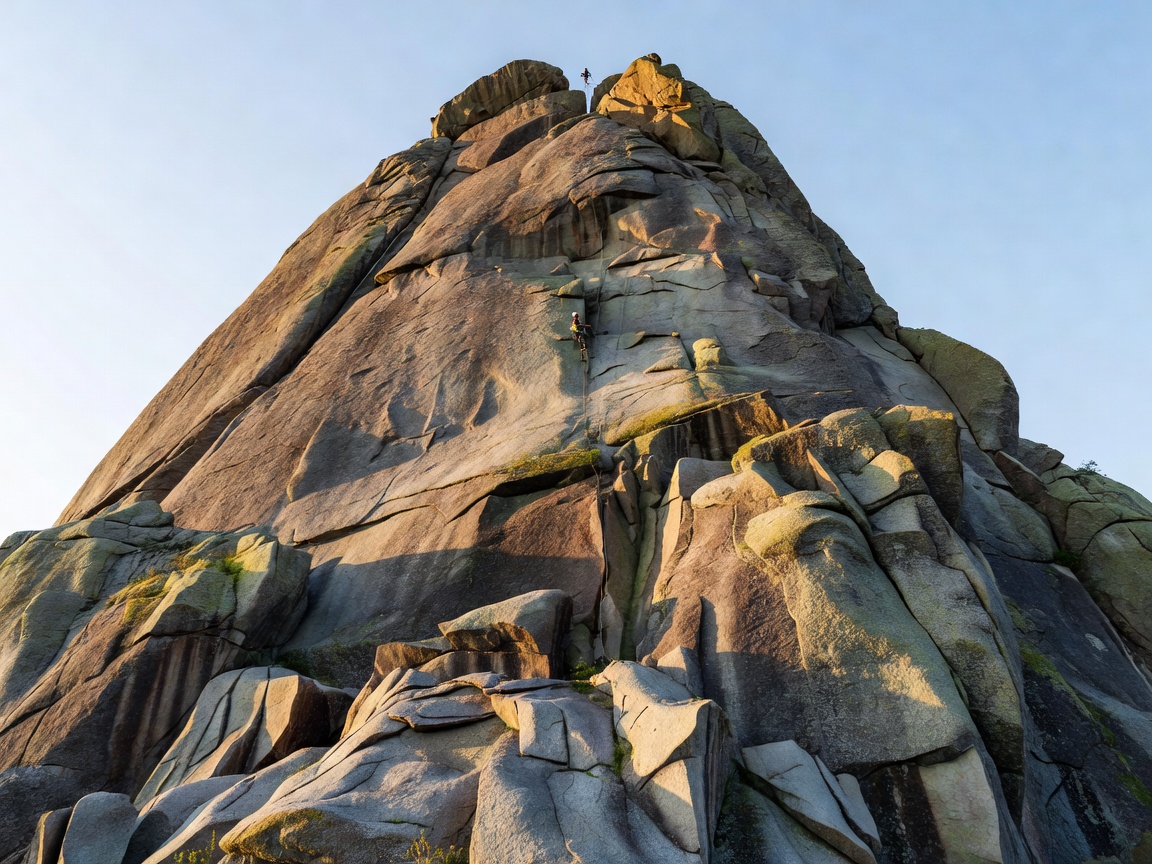
The Controlled Environment vs. The Wild
Indoor climbing gyms offer a highly sanitized climbing experience. Holds are brightly colored, routes are clearly marked by tape or monolithic color schemes, the temperature is regulated, and the floor is a uniform, padded surface. You are shielded from rain, wind, and varying light conditions.
Outdoors, the variables multiply exponentially. Route finding becomes a skill of its own. There are no fluorescent pink jugs telling you where to place your hands; you must read the rock, feeling for hidden crimps and identifying subtle variations in texture for footholds. Weather dictates whether a route is climbable—a humid day can make the rock feel greasy and impossible to grip, while a cold wind can numb your fingers before you reach the first bolt.
The Reality of Rock Textures
Gym holds are manufactured, usually from polyurethane or fiberglass resin. They are designed to be relatively skin-friendly to allow climbers to train for hours. Natural rock is entirely different and varies wildly by geological composition:
- Granite: Known for its exceptional friction but severe skin punishment. Granite often requires climbers to utilize cracks, laybacks, and delicate smearing on coarse crystals.
- Limestone: Typically steeper and featured with pockets, tufas, and crimps. Highly trafficked limestone can become "polished"—slick and glassy—making footholds incredibly insecure.
- Sandstone: Can offer incredible, skin-friendly friction, but is highly porous. Climbing on wet sandstone can break the fragile holds and irreparably damage classic routes.
Safety and Anchors
In a gym, top ropes are pre-hung on massive steel drums, and sport routes are bolted at incredibly conservative intervals to minimize fall distance. Safety is rigorously managed by gym staff.
At an outdoor crag, you are entirely responsible for your own safety. Bolt spacing on outdoor sport routes can be significantly farther apart ("runout"), leading to much longer, scarier falls. Additionally, when you reach the top of an outdoor pitch, you must know how to safely build an anchor, secure yourself, thread the rope through the fixed hardware, and communicate effectively with your belayer to be lowered. A mistake during this anchor cleaning process is one of the leading causes of fatal climbing accidents.
Grading Discrepancies
A frequent shock for transitioning climbers is the perceived harshness of outdoor grading. Gyms often utilize "soft" grading to encourage progress and keep members motivated. A climber comfortably sending 5.11a indoors might struggle immensely on an old-school 5.9 outdoor route established in the 1980s. Outdoor grades carry historical baggage and are heavily influenced by the style of the first ascensionist. Approach outdoor grades with humility and be prepared to drop your expected grade by several notches until you adapt to reading the rock.
Crag Etiquette
The outdoors is a shared environment that requires preservation. When climbing outside, adhere strictly to Leave No Trace principles:
- Pack It Out: Take all trash, tape, and food waste with you. This includes micro-trash like the torn corners of energy bar wrappers.
- Stay on Trails: Use established approach trails to minimize erosion and damage to local flora. Do not bushwhack shortcuts to the base of the cliff.
- Manage Noise: The crag is not a gym. Keep shouting to a minimum, and do not play loud music on portable speakers. Respect the experience of others seeking a natural environment.
- Brush the Rock: Just as in the gym, tick marks (chalk lines drawn to mark holds) should be brushed off the rock when you are finished attempting a route.
Confused by the Numbers?
Before you argue about whether that outdoor route was really a 5.10, make sure you understand how the grading system works.
Learn Climbing Grades